A prosthesis can help you regain your mobility.

Hip replacement surgery

Are you suffering from persistent hip pain that limits your daily movements and affects your quality of life?

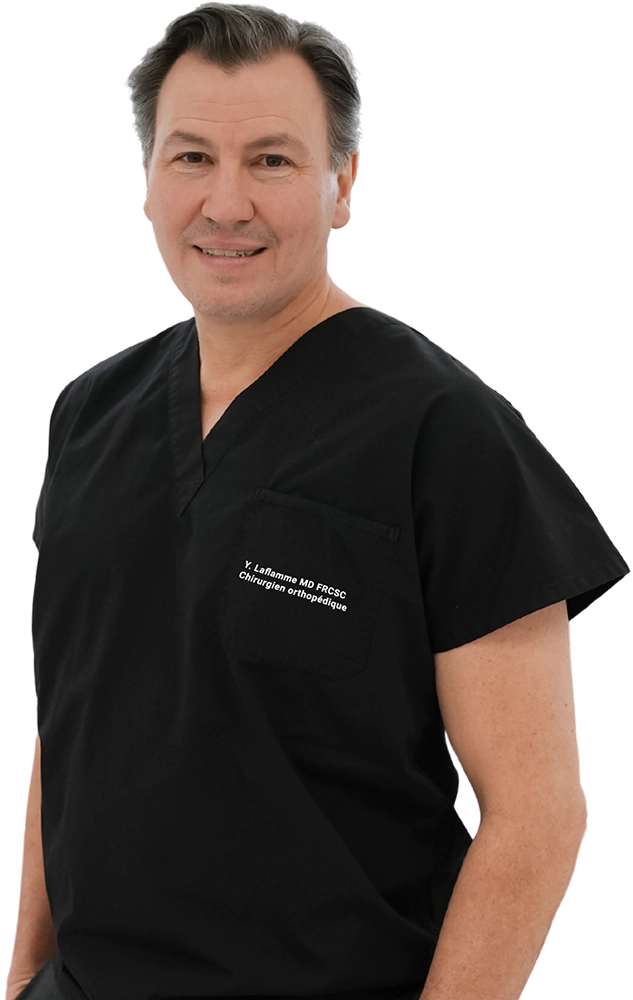
Dr. Yves Laflamme, a sub-specialist in hip replacement, helps his patients regain mobility and comfort by relieving pain.

Why does hip pain develop?

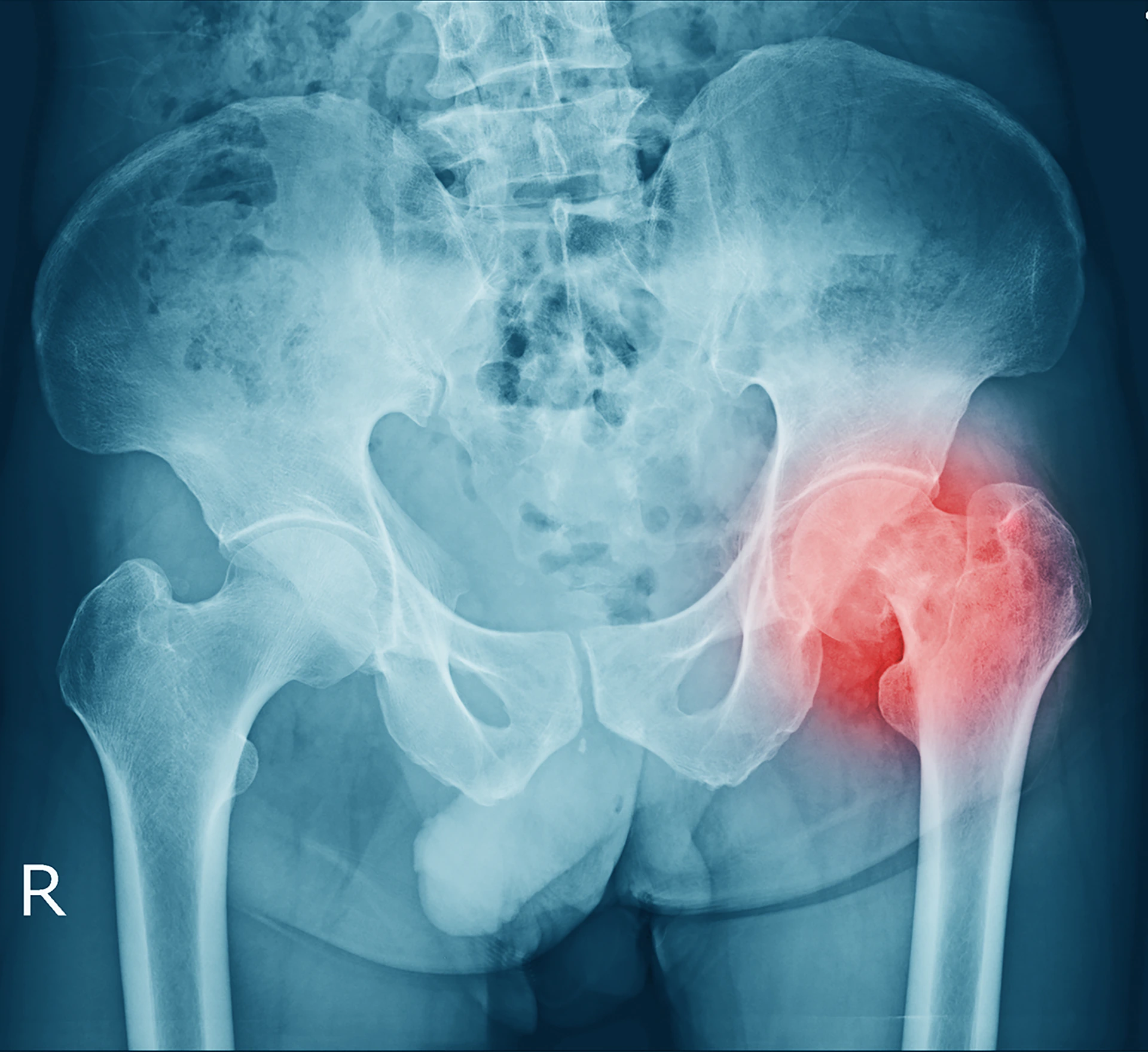
Hip pain often develops gradually, linked to wear and tear of the joint. Over time, cartilage thins and loses its ability to allow bones to glide without friction, causing stiffness, inflammation, and discomfort during movement.

Certain conditions such as osteoarthritis, rheumatoid arthritis, or an injury can accelerate this process. As the joint deteriorates, pain becomes more constant and can limit daily activities.

When conservative treatments are no longer sufficient to relieve symptoms, hip replacement surgery may be considered to restore mobility and improve quality of life.

You may be a candidate for hip replacement if you experience:

  • Persistent hip pain limiting daily activities such as walking, sitting, or climbing stairs
  • Advanced osteoarthritis or joint damage confirmed by imaging
  • Stiffness or reduced range of motion
  • Persistent pain despite medications, injections, or physiotherapy
  • Reduced quality of life related to constant discomfort

What is hip replacement?

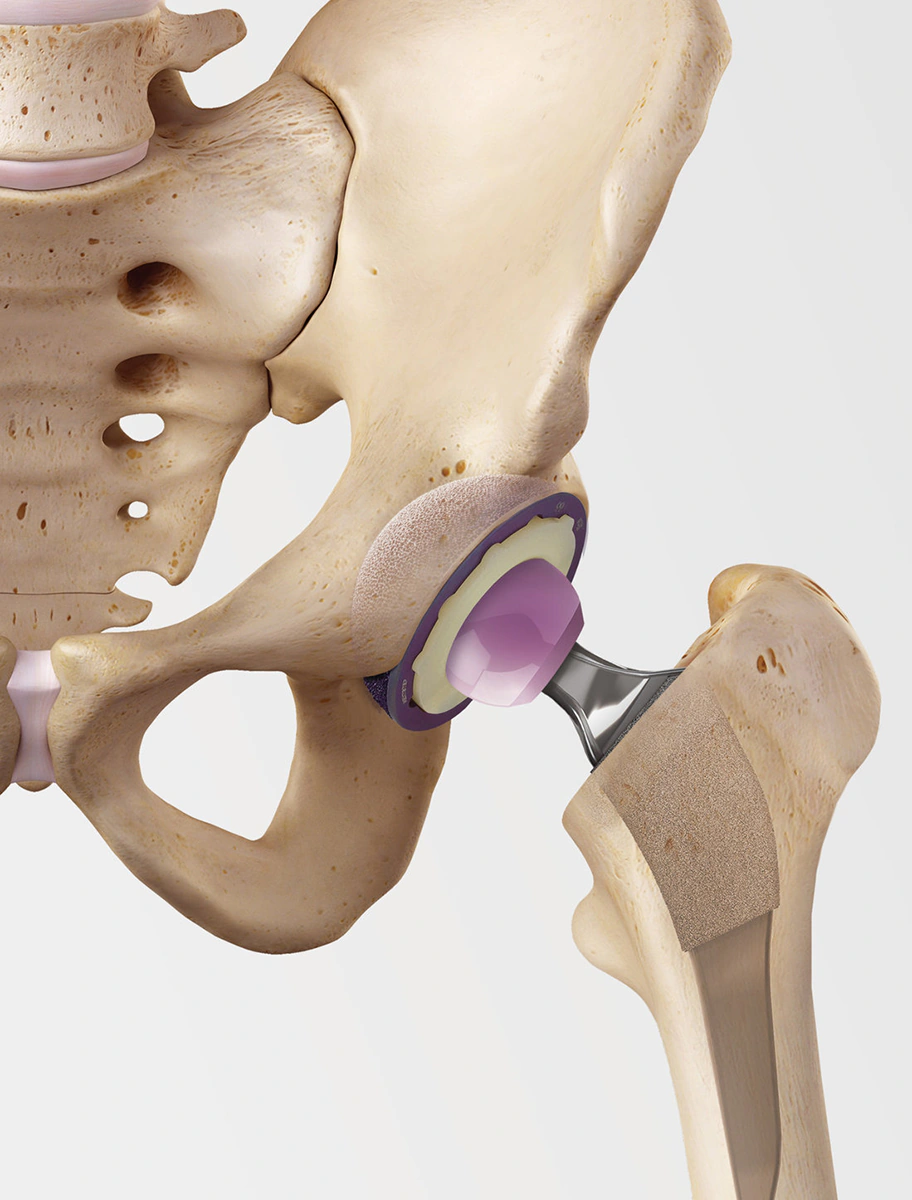
Hip arthroplasty involves removing the damaged parts of the joint and replacing them with prosthetic components. The main goal of this surgery is to relieve your debilitating pain and restore your mobility, so that you can return to an active and fulfilling lifestyle. Named ‘the operation of the century’ by the prestigious medical journal The Lancet in 2007, hip replacement has the power to transform the lives of patients suffering from disabling osteoarthritis, with a satisfaction rate exceeding 95%.

Types of prostheses

Dr. Yves Laflamme uses high-performance implants designed to combine durability and functionality. Ceramic femoral heads are preferred for their biocompatibility and low wear.

Each prosthesis is carefully selected according to the patient’s anatomy, allowing for precise fit, natural movement, and reliable long-term results. Several types of prosthesis, such as Dual Mobility or ceramic resurfacing, are used to meet the specific needs of each patient.

Dr. Laflamme’s advanced techniques

Committed to excellence and innovation, Dr. Laflamme continually integrates the most relevant surgical techniques and advances into his practice to provide the highest standard of care for his patients.

The S.T.A.R. approach for hip replacement

Dr. Yves Laflamme uses the advanced S.T.A.R. approach (Superior Transverse Atraumatic Reconstruction), a modern technique designed to minimize tissue trauma while optimizing recovery.

This approach aims to preserve the essential muscles and soft tissues around the hip, particularly the piriformis muscle, which plays a key role in stability and movement. By preserving these structures, the procedure reduces joint trauma.

The S.T.A.R. technique uses a smaller, strategically positioned incision and avoids cutting important muscles.

This refined approach offers several advantages:

  • Preservation of muscles and tendons for better joint stability
  • Less postoperative pain and reduced blood loss
  • Faster recovery and early return to mobility
  • Reduced risk of dislocation and complications
  • More natural movement after surgery

Recovery protocol

What sets Dr. Yves Laflamme apart is his thorough approach to patient care. He combines an enhanced recovery protocol with an advanced surgical technique, promoting faster recovery and resumption of walking within a few hours after the procedure.

Rapid recovery of our patients

58-year-old man, on the same day after total hip arthroplasty

90-year-old patient, first postoperative day after total hip arthroplasty

Visualizing joint transformation
from osteoarthritis to new mobility

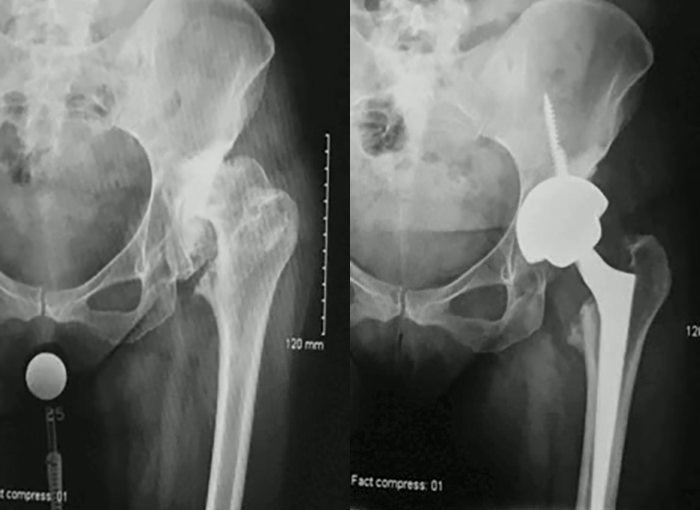
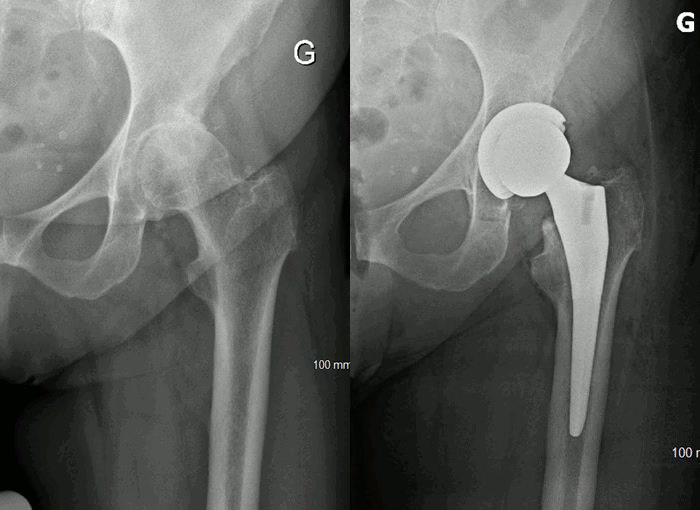
Young woman with left hip dysplasia and severe osteoarthritis.
Hip osteoarthritis treated with total hip replacement and a large-diameter ceramic head.

Life after hip replacement

Hip replacement surgery aims to improve quality of life. The majority of patients experience relief from chronic pain, as well as improvements in mobility, flexibility, and comfort in everyday movements such as walking, sitting, and standing up.

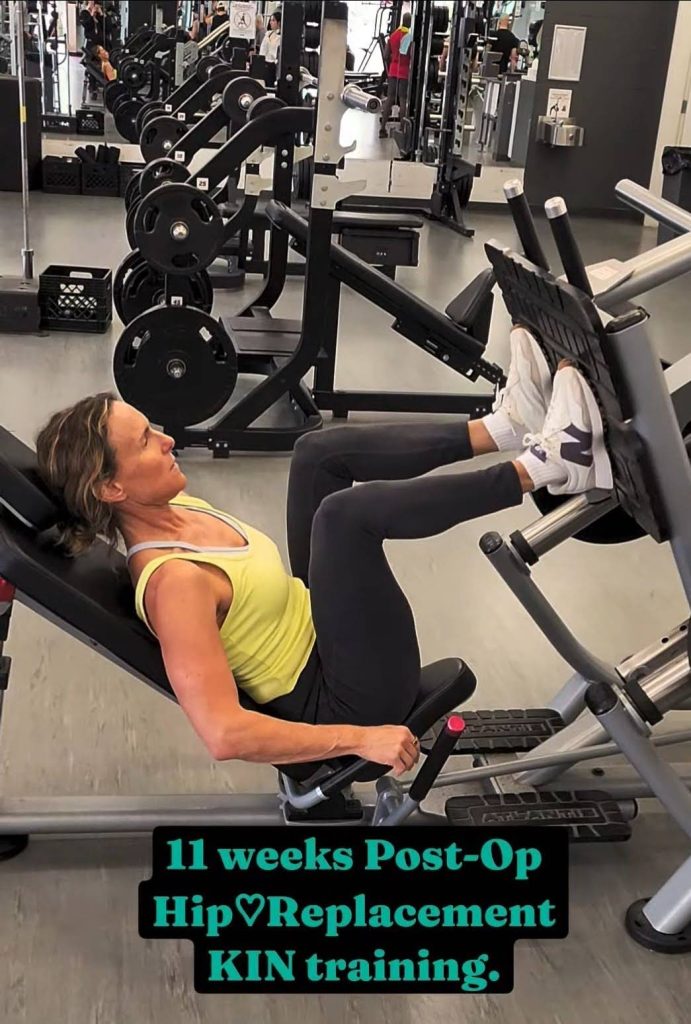
Recovery is gradual and includes a supervised physiotherapy program to restore strength, balance, and range of motion. Although full recovery may take several months, many patients notice significant improvements within the first few weeks.

Discover the testimonial of our wonderful patient, a yoga instructor, who underwent hip replacement a few months ago and is already fully active.

Karine Hamel
Karine Hamel
5 stars and more. Remarkable expertise, supported by a team of great kindness. Dr. Laflamme possesses that rare talent of healing the physical structure while respecting the human and vital dimension of movement. For me, who teaches yoga and meditation, this procedure is much more than a technical success: it is a rebirth that allows me to inhabit my body again with fluidity and serenity. Thank you so much. Thank you.

Regain an active, pain-free life

Living with persistent hip pain doesn’t have to be your everyday reality. Contact us to discover how Dr. Yves Laflamme can guide you toward lasting relief and a return to a more active and comfortable life.